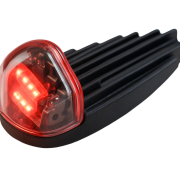
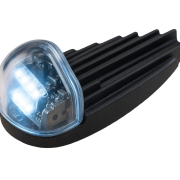
Position Lights for UAS and Aircraft
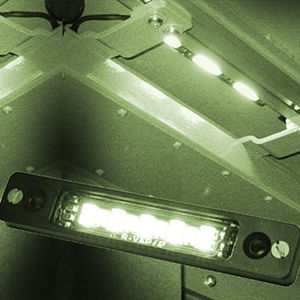
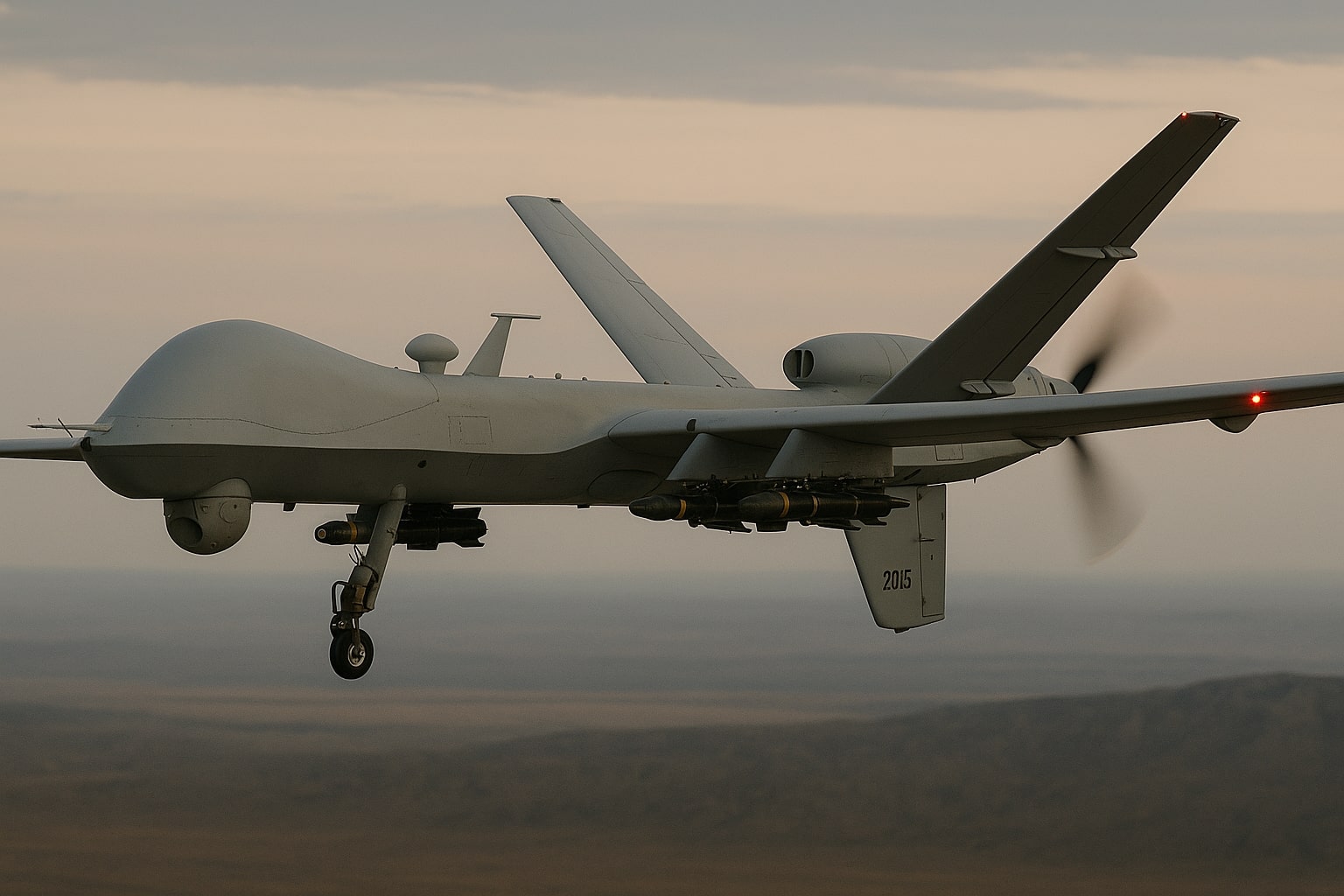
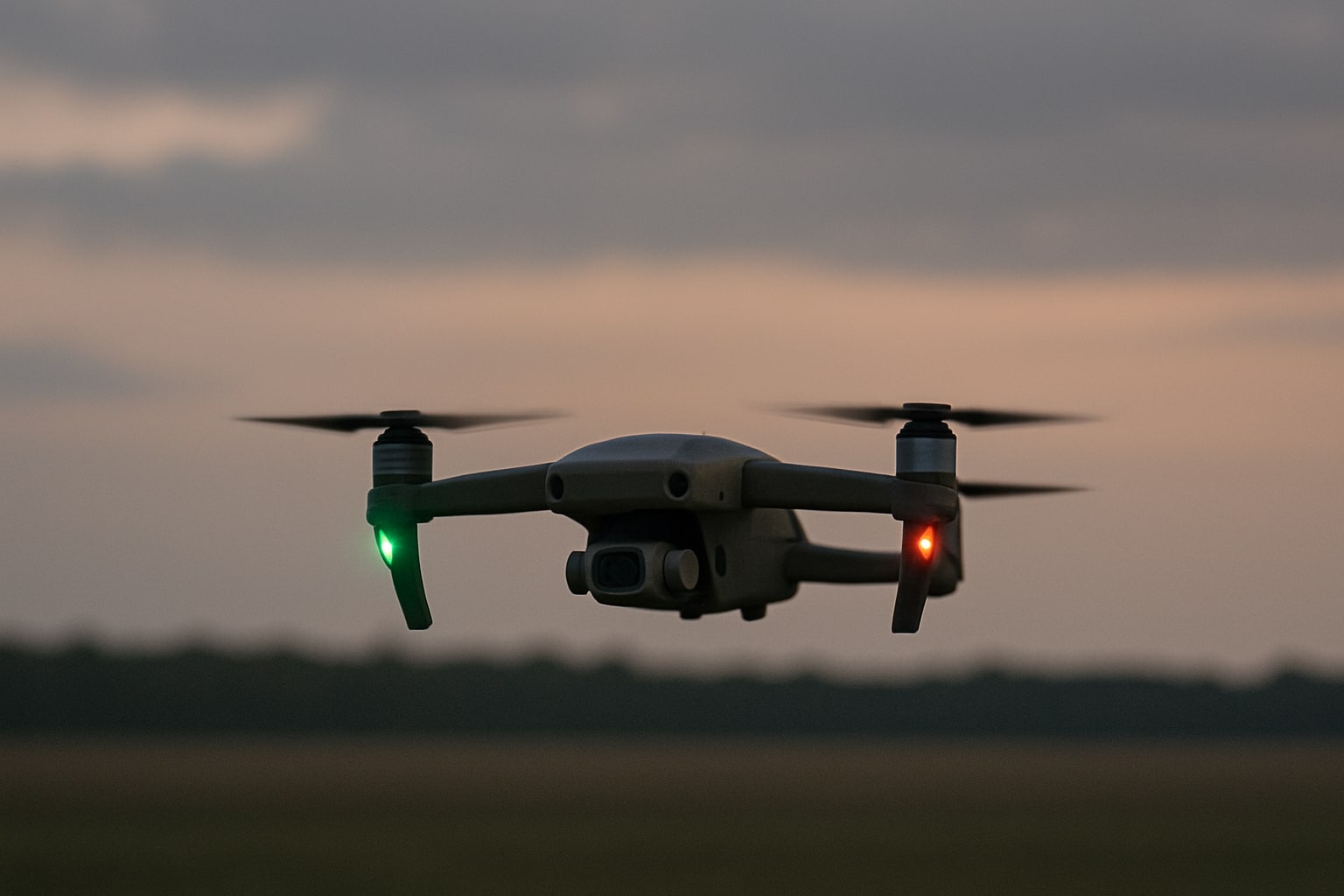
Position lights tell an observer which way an airframe is pointing and which way it is going. Red to port, green to starboard, white aft. The convention is the same for a UAS as for a manned aircraft, because the people and systems reading those lights are the same.
These are qualified aviation components rather than accessory lighting. They run from a 28 V DC bus, are designed against JAR 23, 25, 27 and 29 and the MIL-STD series, and are qualified for HIRF environments and direct lightning strike. That matters for any platform operating in controlled airspace or alongside manned aviation, where the lighting is part of the airworthiness case rather than an add-on.
Dual mode operation covers visible and low-output states, and the units are NVG friendly, so a platform can be marked for crewed traffic without saturating night vision equipment on the ground. See MIL-STD-3009 for the NVIS compatibility requirements.
Features
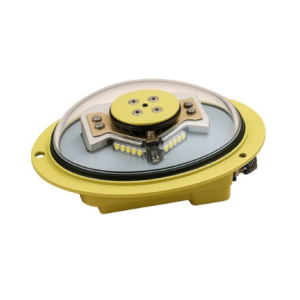
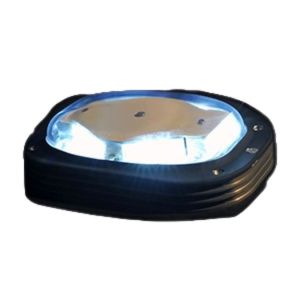
- Low profile: minimal protrusion and drag, suited to surfaces where a raised fitting is unacceptable
- Dual mode: full and reduced output, selectable to the phase of flight and the light conditions
- NVG friendly: usable alongside night vision equipment without washing out the scene
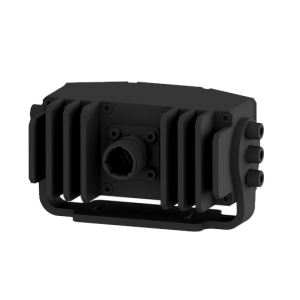
- Optimised heatsinking: thermal design that holds output stable rather than derating in a hot installation
- Low mass: negligible impact on a payload or mass budget
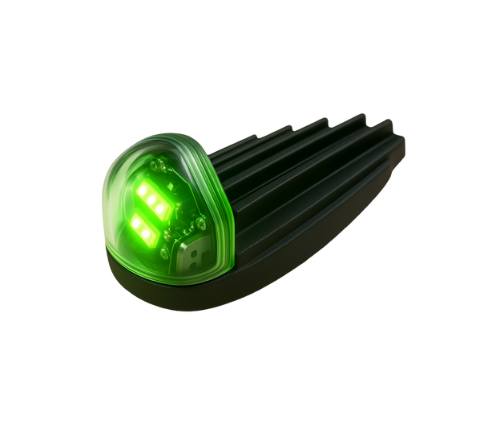
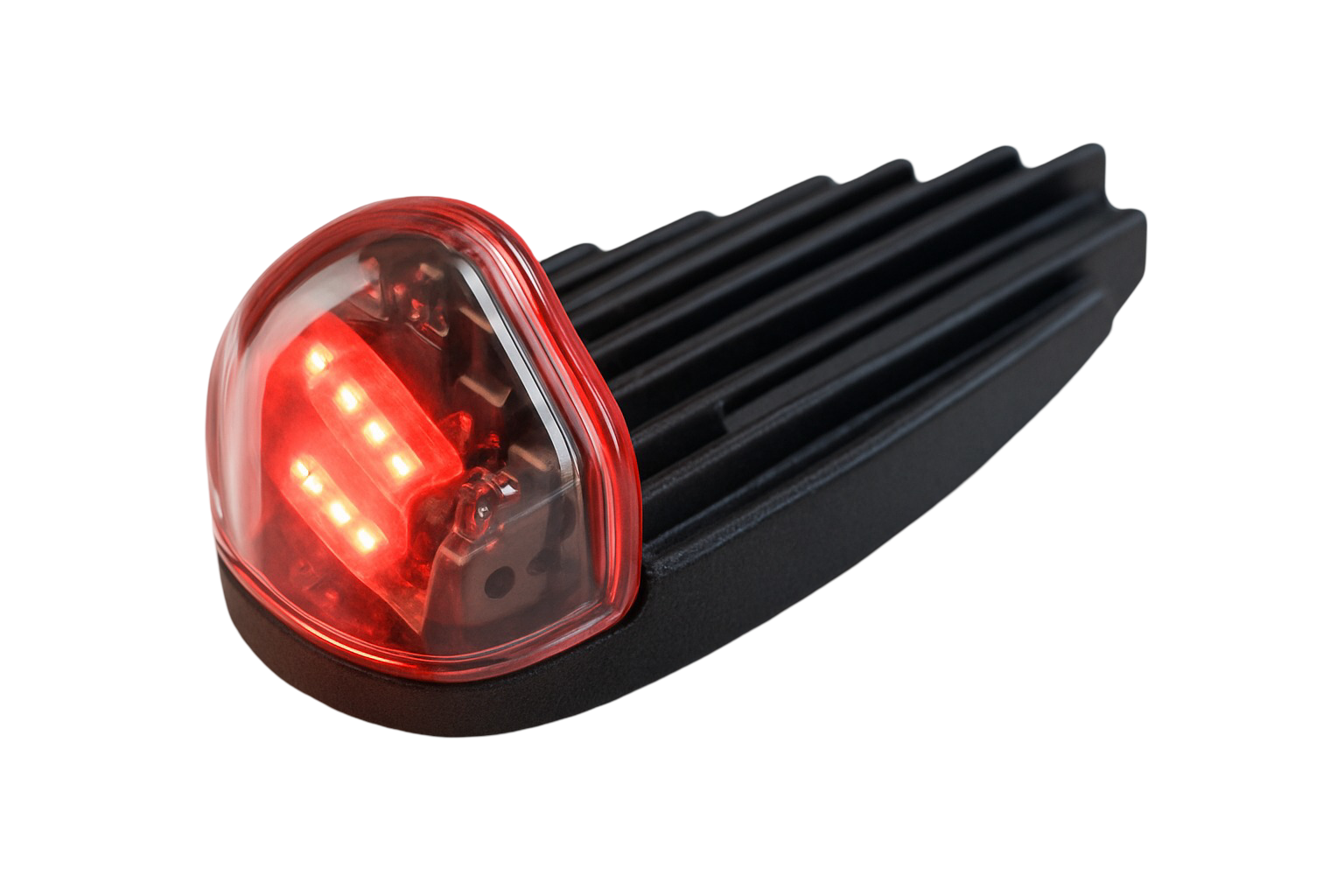
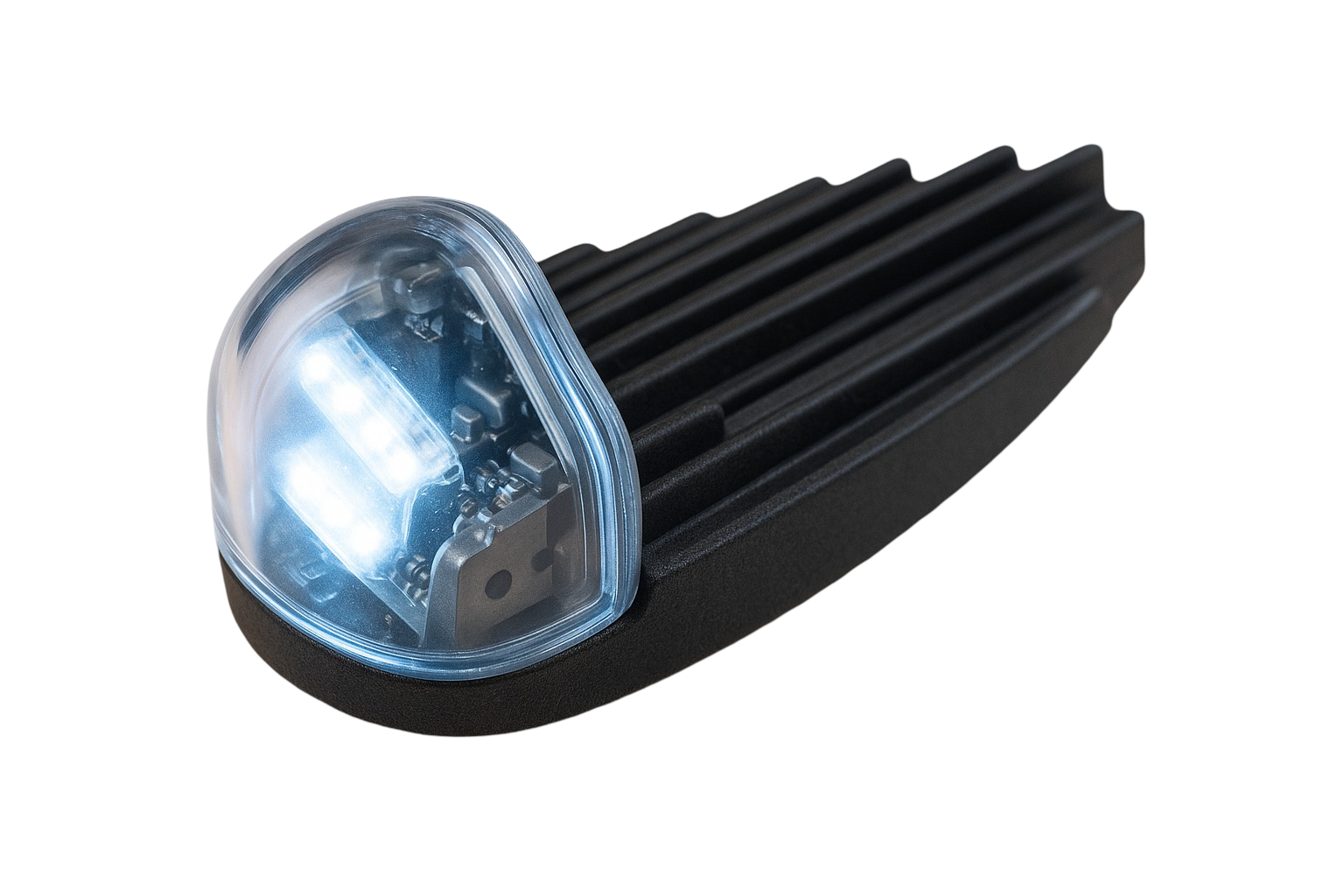
- Colour options: green, red and white, covering port, starboard and aft positions
- HIRF and lightning: qualified for high intensity radiated fields and direct lightning strike
Specifications
| Input voltage | 28 V DC |
| Light source | LED |
| Colours | Green, red, white |
| Modes | Dual mode |
| Profile | Low profile |
| NVG compatibility | NVG friendly |
| Design standards | JAR 23, 25, 27 and 29 |
| Military standards | MIL-STD-810, MIL-STD-461, MIL-STD-464, MIL-STD-704 |
| Environmental | RTCA DO-160D |
| Special qualification | HIRF, direct lightning strike |
Related Aviation Lighting
Position lights are one part of an external lighting fit. For conspicuity, see our anti-collision lights and infrared trimode strobes. For station keeping between airframes, see formation lights.
The full drone lighting range and our wider aviation lighting catalogue cover both unmanned and manned platforms. For a fit not covered here, request a quote with the platform and the standards that apply.
Frequently Asked Questions
Red to port, which is the left side viewed from behind looking forward, and green to starboard on the right. White marks the rear. The convention comes from maritime navigation and carried across to aviation, and it exists so that an observer can read heading from the lights alone: green on the left of your view means the aircraft is crossing left to right, red on the left means it is coming toward you.
Because on a platform operating in controlled airspace the lighting forms part of the airworthiness case. A generic LED has no qualification evidence behind it, which means no DO-160 environmental data, no MIL-STD-461 EMC results and nothing to submit when the fit is assessed. The qualification is what you are buying as much as the light.
It gives a full output state and a reduced one. Full output is for conspicuity in daylight or in traffic. Reduced output keeps the airframe marked at night without the lighting becoming the brightest thing in the scene, which matters when observers on the ground are using night vision equipment.
The low profile housing suits surface mounting where protrusion and drag matter. Power is taken from a 28 V DC bus. Send us the platform, the mounting positions and the electrical interface with your enquiry and we will confirm the configuration, or develop a variant if the interface does not match anything standard.
Position lights show orientation. Requirements for night operation differ by jurisdiction and by aircraft class, and in most cases a separate anti-collision light is also required, which is why we supply anti-collision lighting alongside these. Tell us where the platform will operate and under which authority, and we will confirm what the fit needs to include.