

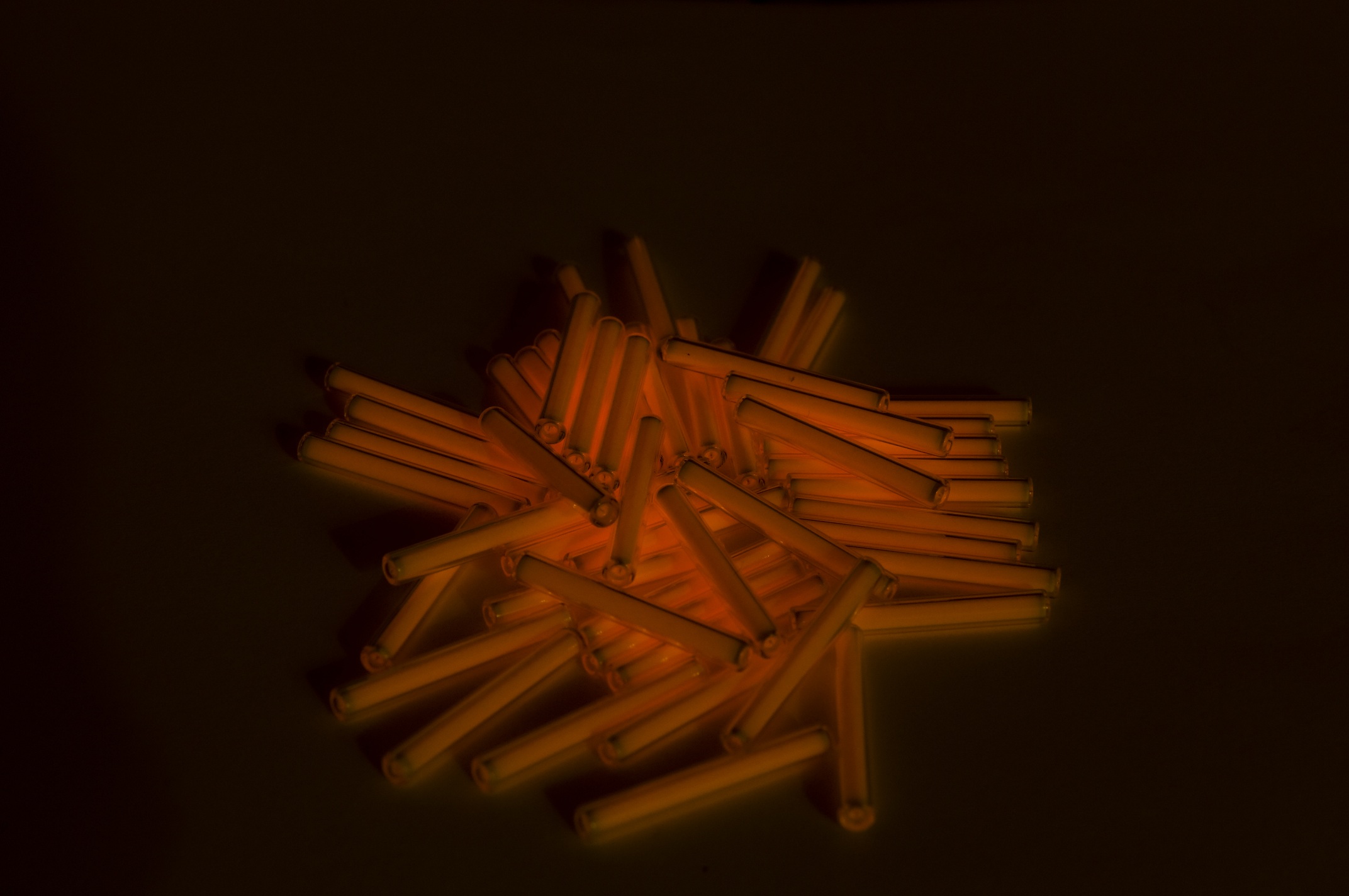
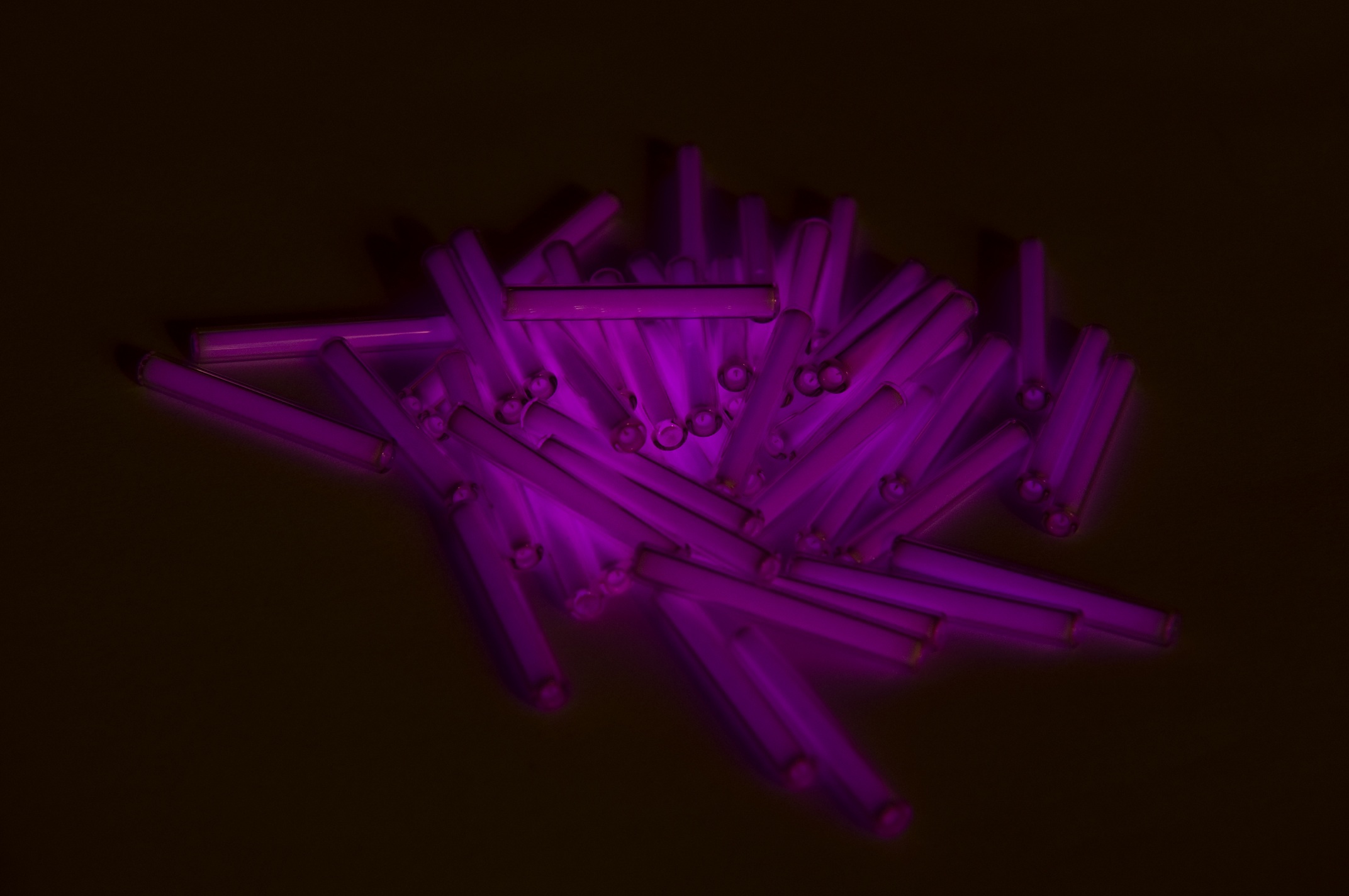
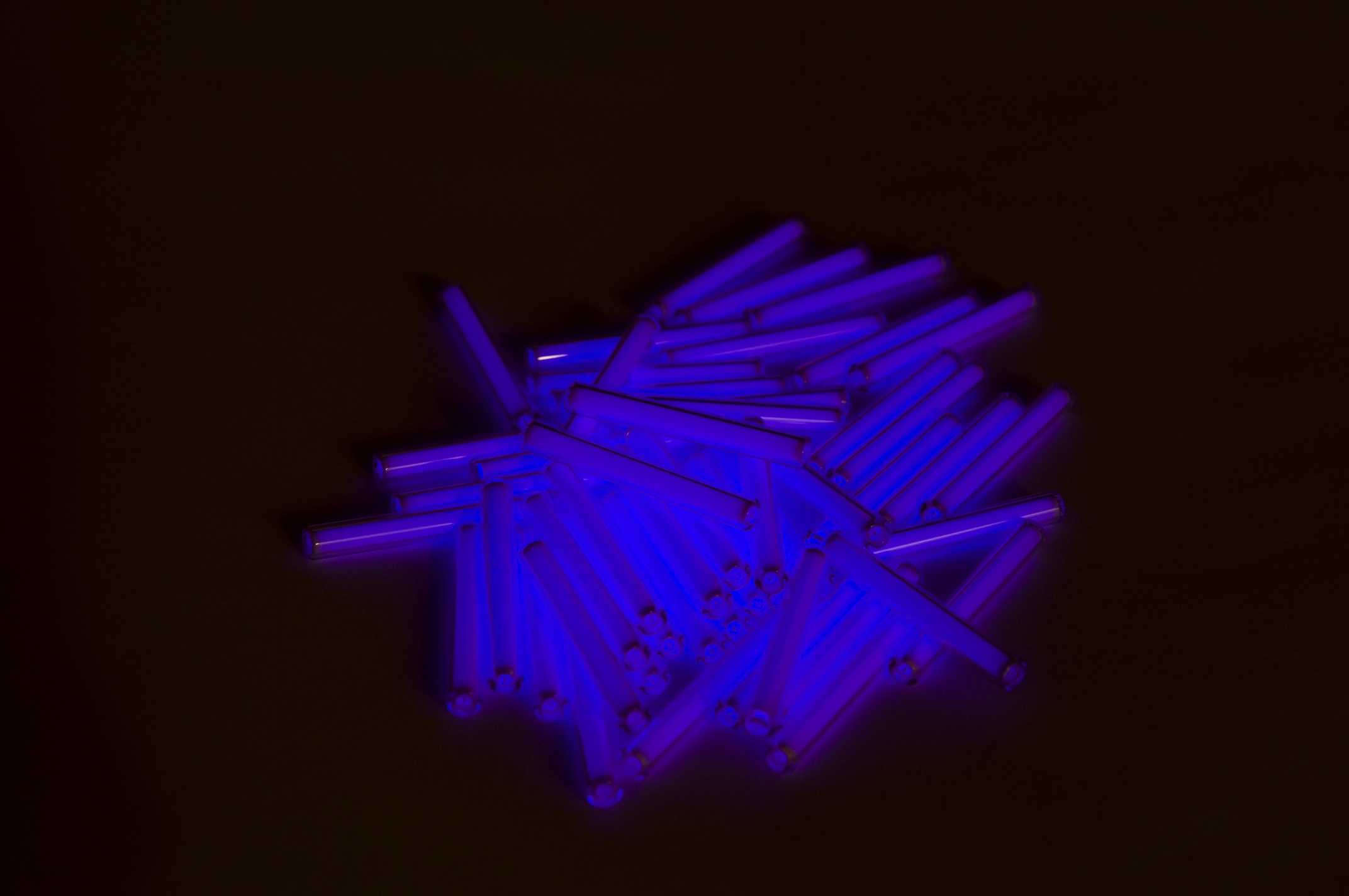

Key Features
- Self-Powered Technology: No batteries, no wiring and no external energy source. The vial produces light continuously from the moment it is made.
- Long-Lasting Luminescence: Tritium has a half-life of 12.3 years, so a vial retains roughly half its initial brightness after 12 years and a quarter after 25. Output declines gradually and predictably rather than failing.
- Compact and Customizable: Available in a range of sizes, colors and shapes, with custom dimensions produced to specification.
- Durable Construction: Borosilicate glass for mechanical strength and chemical resistance.
- Temperature Resistant: Rated from -55 °C to +200 °C.
- Safety Assured: Hermetically sealed to prevent tritium escape, with submersion testing on every batch. See our guidance on tritium safety and disposal and recycling.
Tritium Decay
Tritium decays with a half-life of 12.3 years. Brightness therefore halves roughly every twelve years, and in practice falls slightly faster than decay alone because the phosphor coating degrades over time as well. This is why tritium is specified where a light must work unattended for decades: nothing is switched on, nothing runs down abruptly, and there is nothing to maintain. Our article on how long tritium lasts covers this in detail.

Custom Solutions
If none of the standard sizes fits the application, vials are produced to custom dimensions, shapes and colors. Tell us the enclosure, the viewing distance and the colour required and we will advise on the size that suits.
Email: info@betalight-tactical.com

Standard Dimensions
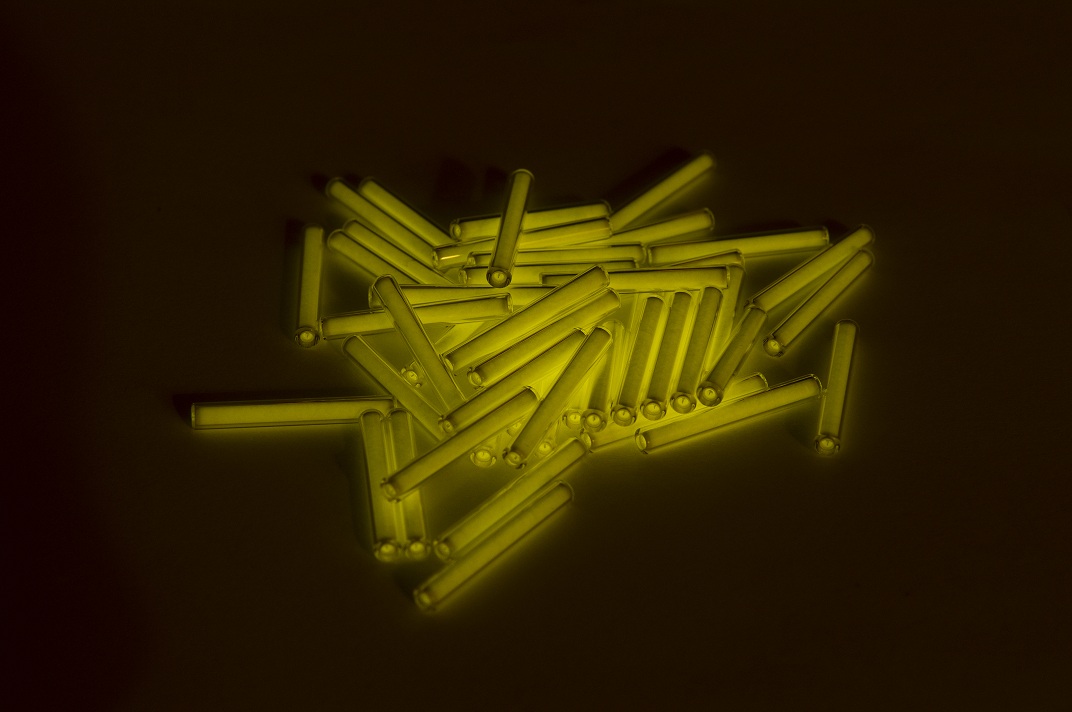
Cylindrical, diameter x length:
- 1.5 x 6 mm
- 2 x 6 mm
- 2 x 12 mm
- 3 x 11 mm
- 3 x 15 mm
- 3 x 22.5 mm
- 3 x 25 mm
- 3.5 x 25 mm
Rectangular, width x height x length:
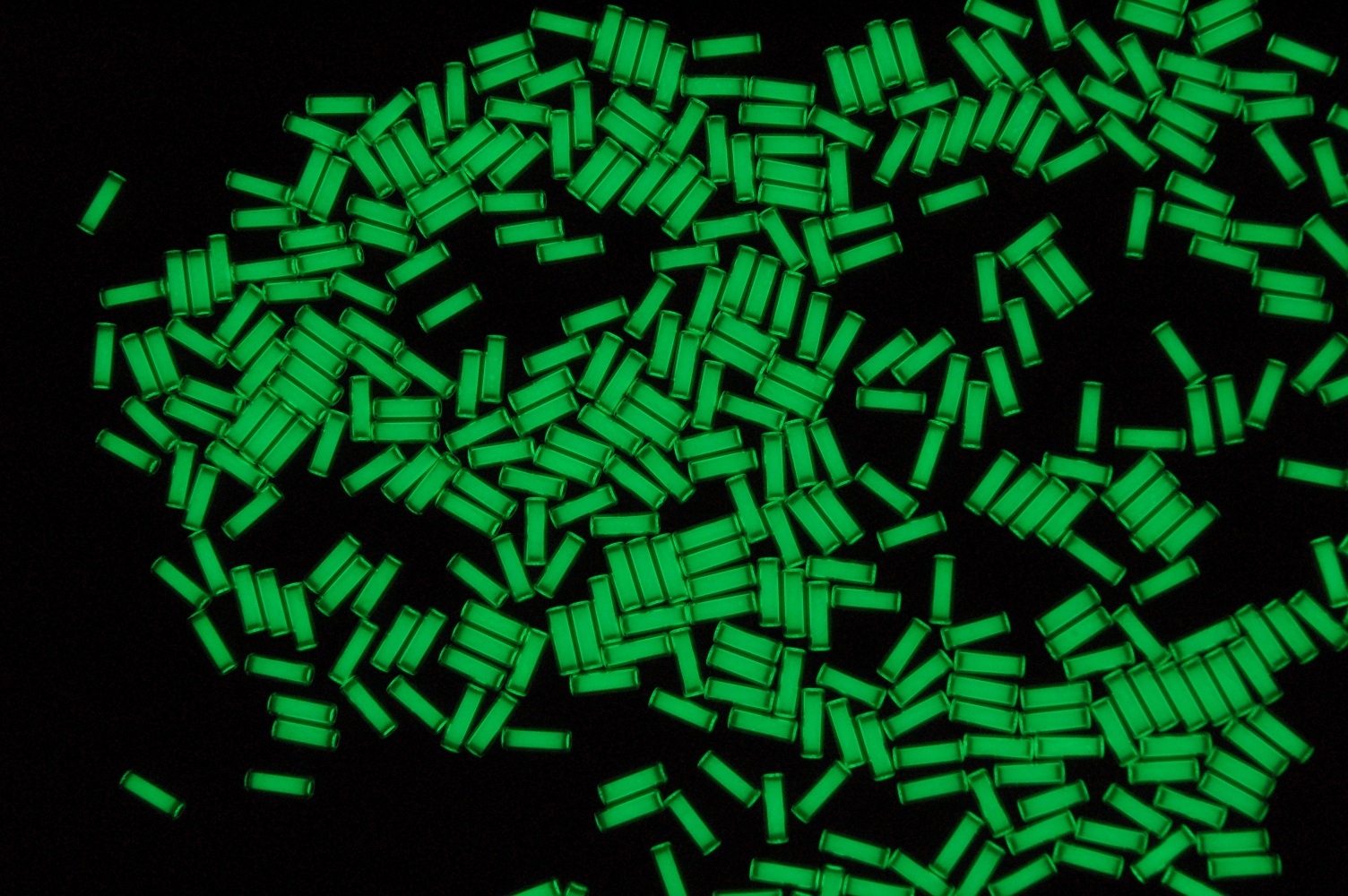
- 1.5 x 3 x 6 mm
- 1.5 x 3 x 9 mm
Not the size or shape you are looking for? Custom vials are produced to specification. Vials are also supplied ready-integrated in our tritium product range, including sights, compasses, map readers and road markers.
Tested for Space and Lunar Applications
Betalight gaseous tritium light sources have been tested by NASA as part of research into radioluminescent lighting for space and lunar use, where the absence of any power requirement is the decisive property.
That testing examined coating materials, the sizes and shapes suited to different lighting tasks, and durability under UV exposure, thermal vacuum and other conditions encountered outside a vehicle. The applications under consideration included imaging, docking, tracking and colour indication on space stations and lunar exploration equipment, all cases where a light has to work for years with no service access.
The same properties are what make tritium useful on the ground: an instrument marking, an exit indicator or an aiming reference that still works decades later, through a power failure, in the cold, with nobody having touched it. Read more about how tritium light sources are made or how tritium compares with LED.
Frequently Asked Questions
Tritium has a half-life of 12.3 years, so brightness falls to about half after twelve years and about a quarter after twenty-five. There is no on or off state and no point of failure. Most applications treat a vial as serviceable for fifteen to twenty years depending on how much light the task actually needs, which is a judgement about the application rather than about the vial.
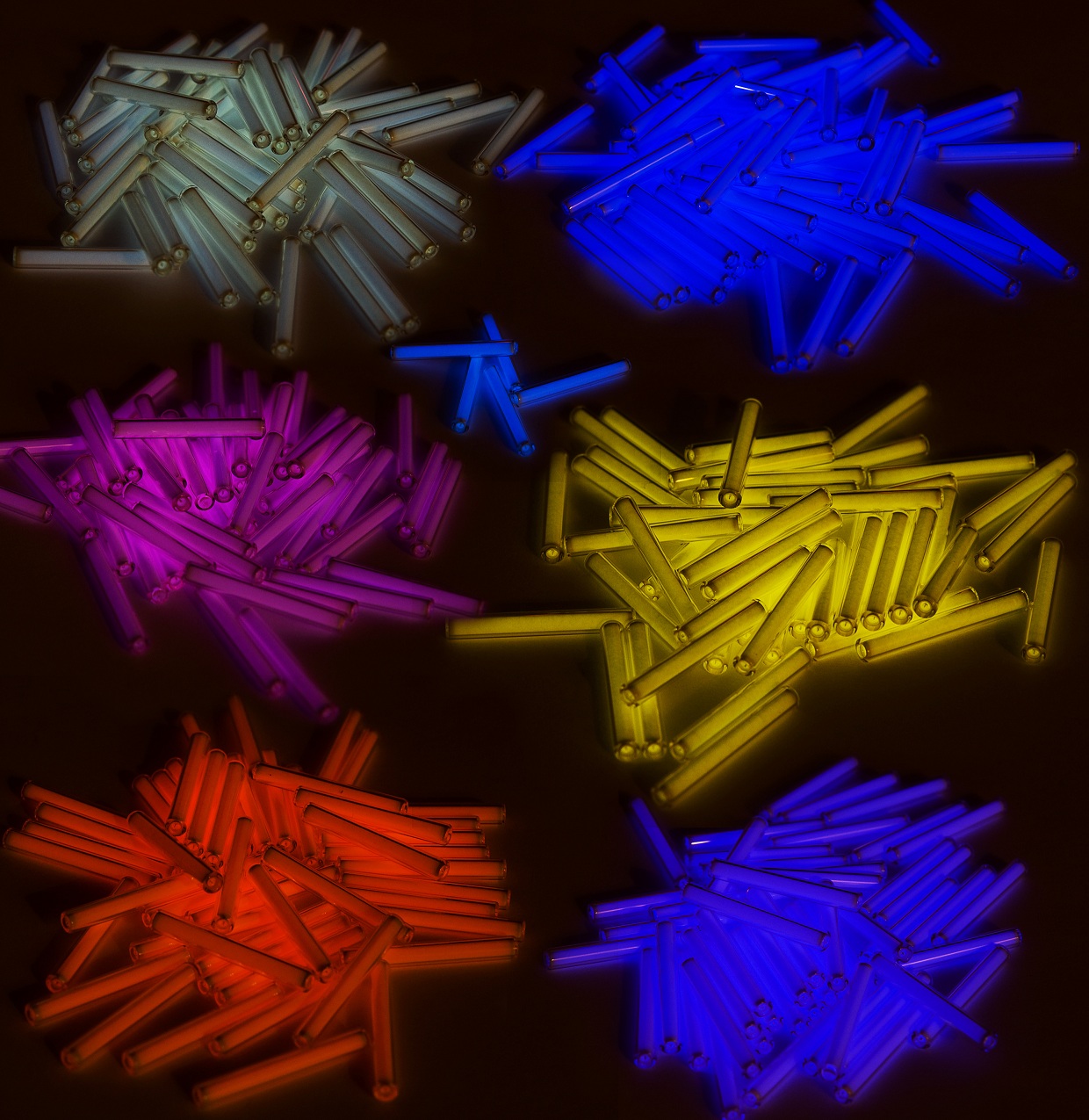
Green is the brightest to the human eye and is the default where visibility matters most. Other colours are produced by different phosphors and are dimmer to varying degrees, so they are usually chosen for coding and differentiation rather than for output. If you are using colour to distinguish one marking from another, say so when you enquire and we will advise on which combinations remain legible together in the dark.
The tritium is sealed inside borosilicate glass and the beta radiation it emits cannot penetrate the glass, so an intact vial presents no external dose. Vials are submersion tested for seal integrity. Our tritium safety article covers handling, breakage and storage, and disposal and recycling covers end of life.
An LED needs power, wiring and something to switch it. Photoluminescent material needs to be charged by light first and fades within hours. A tritium vial needs neither, and works in a sealed compartment that has never seen daylight, on equipment that has been in storage for a decade, or after the power has gone. That independence is the whole reason to specify it. See tritium compared with LED and tritium compared with glow in the dark.
Specify size and colour with your enquiry, or describe the application and we will recommend both. Products are available under NATO Stock Numbers, listed in our NSN product list. Tritium is a regulated material and shipping is subject to the rules of the destination country, so tell us where the goods are going when you request a quote and we will confirm what applies.

